X10CIFY
Transforming Vision into Impact
Transforming Vision into Impact
AI DESIGN

Marcus Vance
Head of Design Innovation
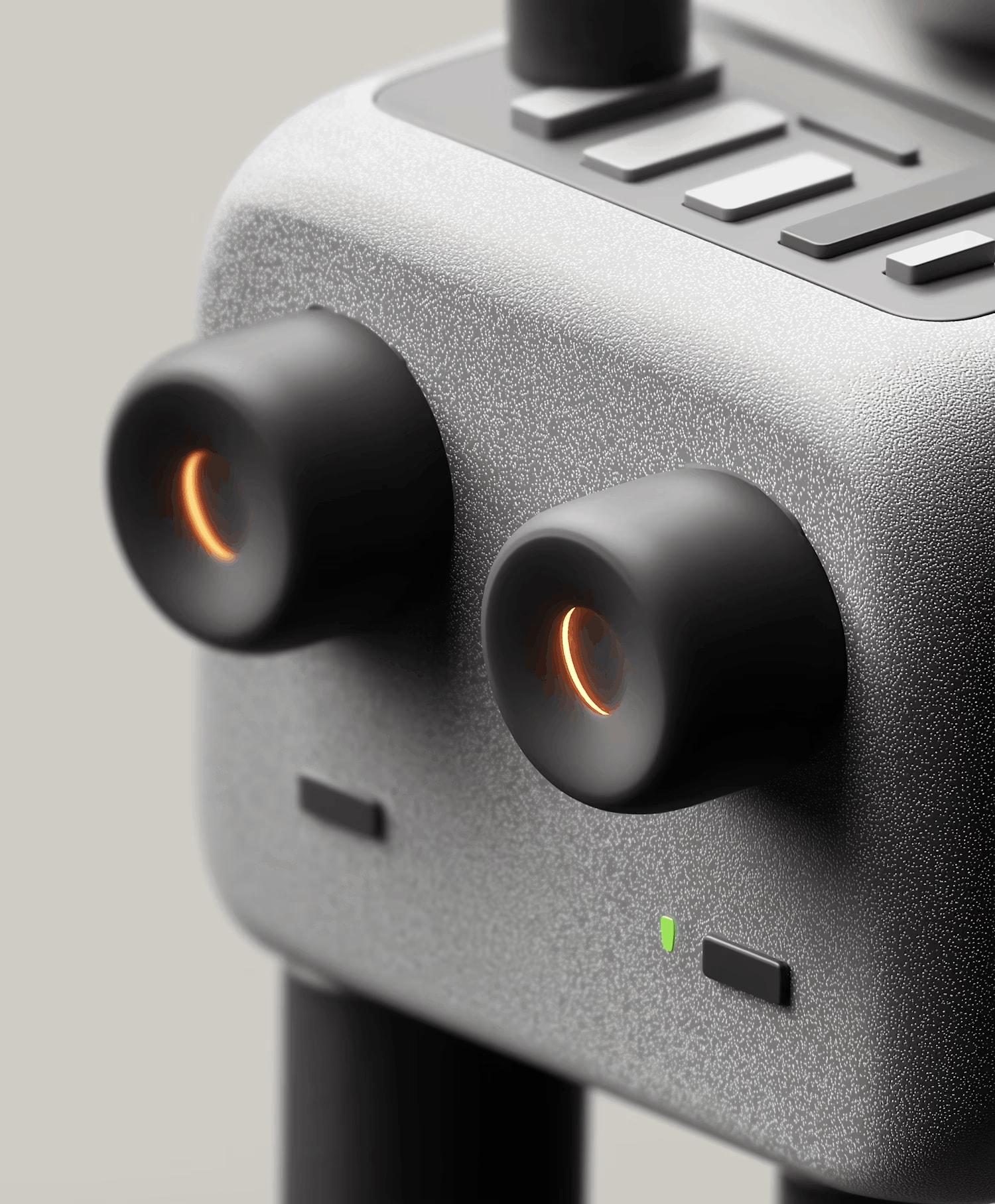
By 2025, the intersection of artificial intelligence and digital design has evolved from simple automated tools into rich generative systems. Today's design suites do not just assist; they actively participate in the creative process. By analyzing vast databases of user interaction patterns, typography hierarchies, and layout rules, AI tools can instantly generate millions of design variations tailored to specific user contexts.
This shift has unlocked a new level of productivity. Rather than starting with a blank canvas, modern designers begin by directing AI engines with high-level artistic concepts, color schemes, and target brand attributes. The AI then constructs semantic design structures that designers can refine, customize, and polish.
One of the most revolutionary impacts of AI in 2025 is hyper-personalized user interfaces. Historically, websites were built with a static layout aimed at a generic audience. With integrated AI engines, websites can now dynamically adapt their layout, typography scale, navigation density, and visual assets based on individual visitor behaviors, accessibility requirements, and contextual parameters.
For example, a user browsing a SaaS dashboard late at night while experiencing visual strain might see the interface shift to a high-contrast dark mode with simplified reading layouts and enlarged typography, while a power user on a desktop screen receives a dense, multi-panel data visualization interface.
“AI doesn't replace the designer's vision; it acts as an amplifier, allowing us to build tailored experiences for millions of unique users simultaneously.
As design tools become more intelligent, the designer's role is evolving from a visual crafter to a creative director. The critical skills in 2025 are curation, artistic direction, deep user empathy, and strategic thinking.
We are witnessing a beautiful co-creation model where designers spend less time pushing pixels and more time solving complex product challenges and crafting brand stories that resonate deeply on a human level.